ANNUAL CUT FLOWERS IN CLAY SOIL
ANNUAL CUT FLOWERS IN CLAY SOIL
In 2025 my non renewable farmland lease ended and I had to move my farming operation to another nearby leased property. This new property was great- good existing infrastructure, great landowners, and absolutely beautiful. But it has clay soil. Like heavy, dense clay soil that had been horse pasture for years, and then hayed for several years. So definitely not in the best of shape.
Out of the acreage I lease there is a portion I haven’t even touched- on the soil maps you can see where it shifts from a ‘moderately well drained’’ soil to a ‘very poorly drained soil’. The soil there is marshy and waterlogged pretty much all year except for the hottest parts of summer. But a bit uphill, the soil type changes to something a bit more agreeable.
If you farm, or are thinking of farming, one of my favorite online resources is the USDA’S ‘Web Soil Survey.’ It is a large map that shows different soil types across properties, and is an incredibly useful tool when looking into a farm property, or exploring a new site on your current property for production. Sometimes I like looking at nearby farm’s soils because I’m nosey and it's fun (lol). All the soils on the WSS are categorized, and you can glean a ton of useful information about the soil. I grow in Boxford Silt Loam soil- a low permeability soil “formed in silty and clayey marine sediments.” Meaning, it holds water, is slow to drain, and can get pretty sticky.
My tips for similar soils:
Keep it covered up, especially in summer. When it is hot out, any of this soil that is exposed will bake, and form hard, dense clay balls. When kept under some kind of mulch (I use landscape fabric or salt marsh hay, depending on the crop) it stays a bit cooler, keeps moisture a bit better, and doesn’t bake the way exposed soil does.
Mix in compost (obviously). After a few years of religiously mixing in compost, I’m actually pretty happy with the soil. It has a much better tilth than it did years ago, and the clay itself is pretty nutrient dense and water retentive, which seems to keep seedlings pretty happy.
DO NOT TOUCH THE SOIL IF IT IS WET. I’ve been impatient to get beds prepped in the spring and it was a bad idea. Bringing a tractor into wettish clay soil- straight up compaction. Any work you’ve done to aerate and improve soil structure is set back. Clay soil is delicate, when treated correctly it can be successful. But bringing in any heavy equipment when the soil is not ready for it is a bad idea. In fact, I am pretty overzealous about not stepping in growing beds, or doing anything to compact the soil.
Choose the right cover crops- silage radish is my best friend. I love seeing those big chunky roots digging through the clay. I also like buckwheat and winter rye, depending on what time of year I’m seeding.
Choose crops that will be successful. Dahlias have been one of my largest crops, and I ended up moving my dahlias to a satellite plot with much better soil for them but no long term lease options. This leaves my main production site a lot more room to accommodate crops that have been successful in the heavy clay soil.
Prep your beds correctly. Don’t just seed into hard, compacted clay. Use a broadfork. Add in even an inch of compost. Raise beds up a bit. Plant plugs that have a chance to really get going.
and now…
Annual cut flower crops that succeed in clay:
Basil - I was really impressed with basil in this soil. I grow multiple types, ‘Mrs. Burns Lemon’ being my all time favorite. But ‘Cinnamon,’ ‘Aromatto,’ and tulsi basils all performed well. I stuck them in one of the worst beds I had- dense soil, transitioning to a poorer soil type in the corner of the field. But they were incredible! I’d cut them back hard each harvest, figuring that would be that, but I’d find them tall and blooming a few weeks later.
Sunflower - Sunflowers can perform really well in clay. They’re heavy feeders, and a lot of clay is nutrient dense which they like. They also have big, strong roots that aren’t shy about digging into clay. Some places actually use them primarily as cover crops for their compaction busting abilities. Here’s a link with more info. Whenever I establish a new bed as I slowly expand my fields, I usually have sunflowers as the first crop in them.
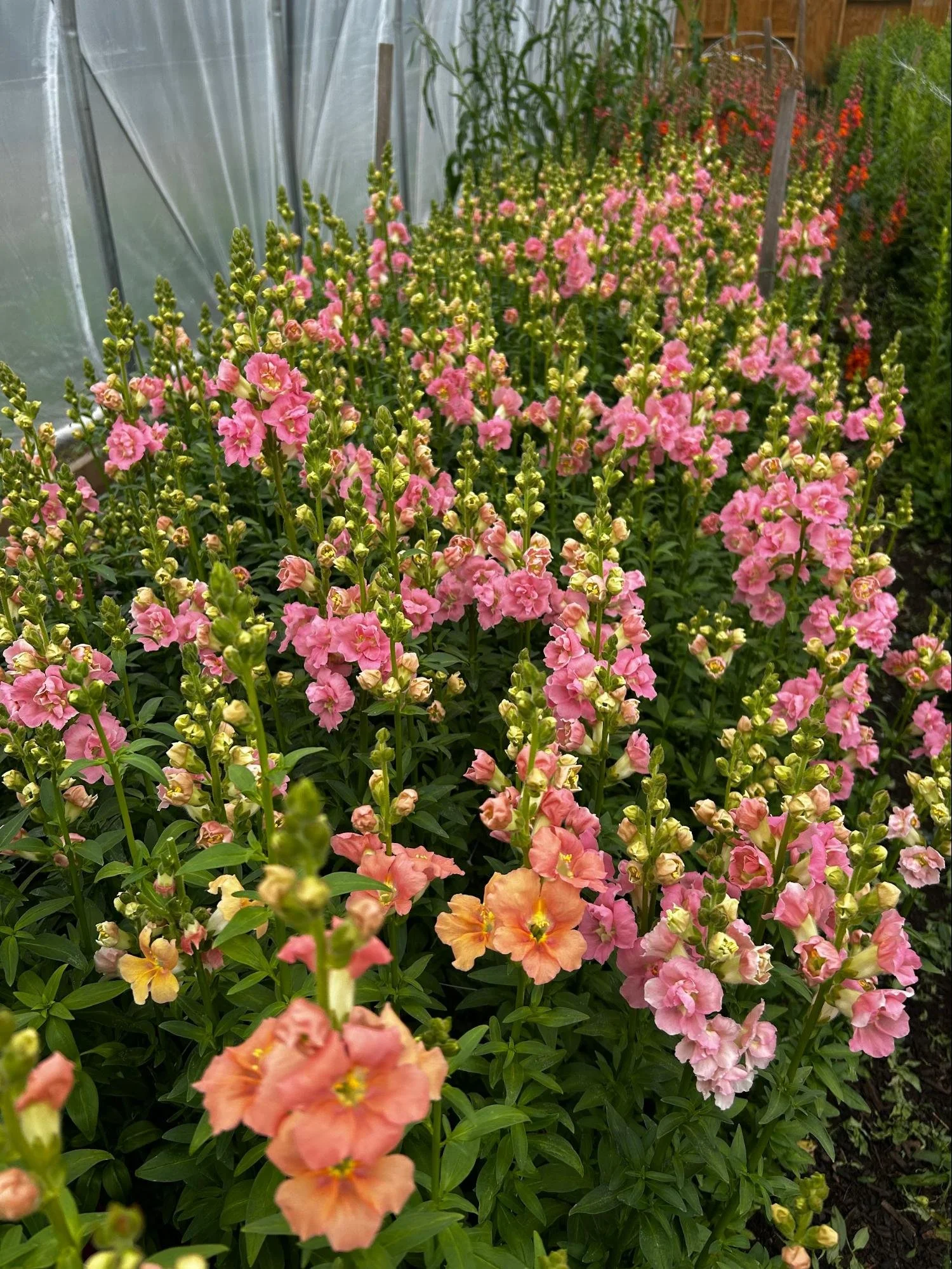
Snapdragon - I was really surprised with how well snapdragons handle clay. Each year, I plant out some snapdragons and foxgloves around the same time. I like snapdragons, but I LOVE foxglove. So foxglove always gets the best bed available, and snaps go wherever they’ll fit. And they make the clay work! I haven’t noticed any production differences in clay as opposed to the softer, siltier soil of my old farming site.
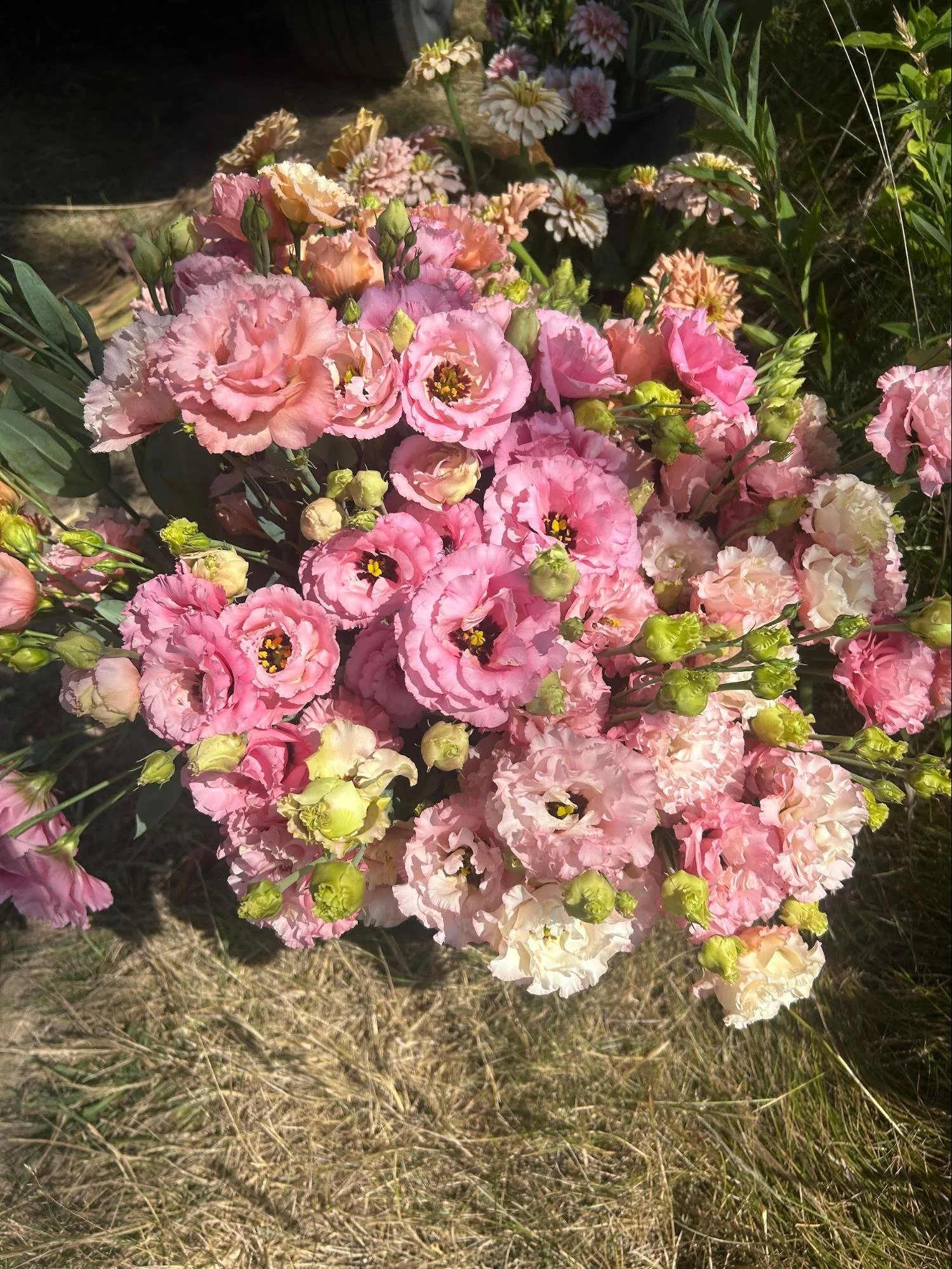
Lisianthus - My best lisianthus harvests have been in clay soil. And I’m pretty sure I know why- lisianthus like having an establishment period with lots of moisture available. The clay will certainly hold water, and since I can sometimes be a lazy waterer, the moisture retentive clay gives me a bit of a buffer if I skip watering young lisianthus plantings.
Amaranth - Big chunky amaranth. Like sunflowers, it isn’t afraid to bust through some clay.
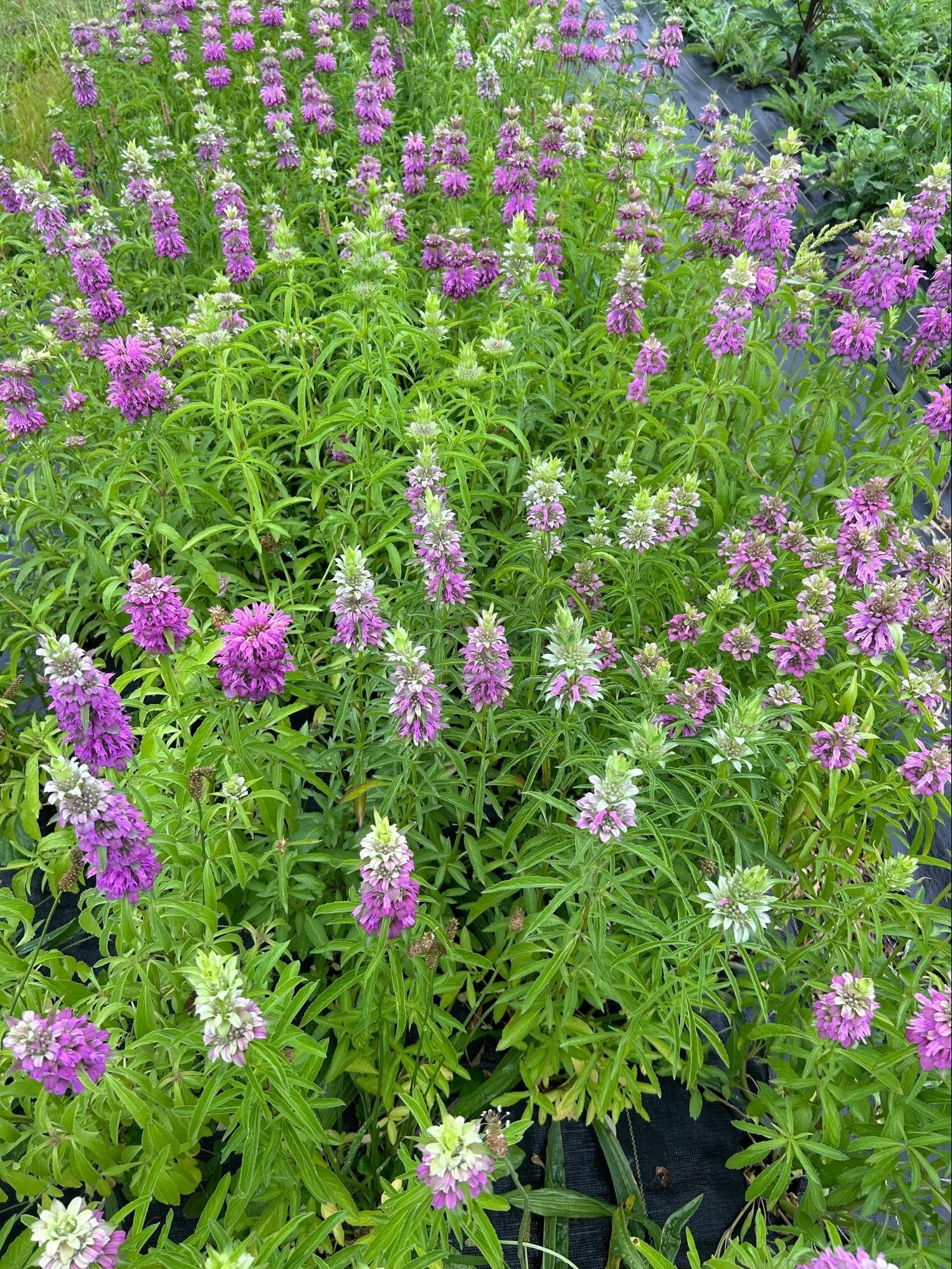
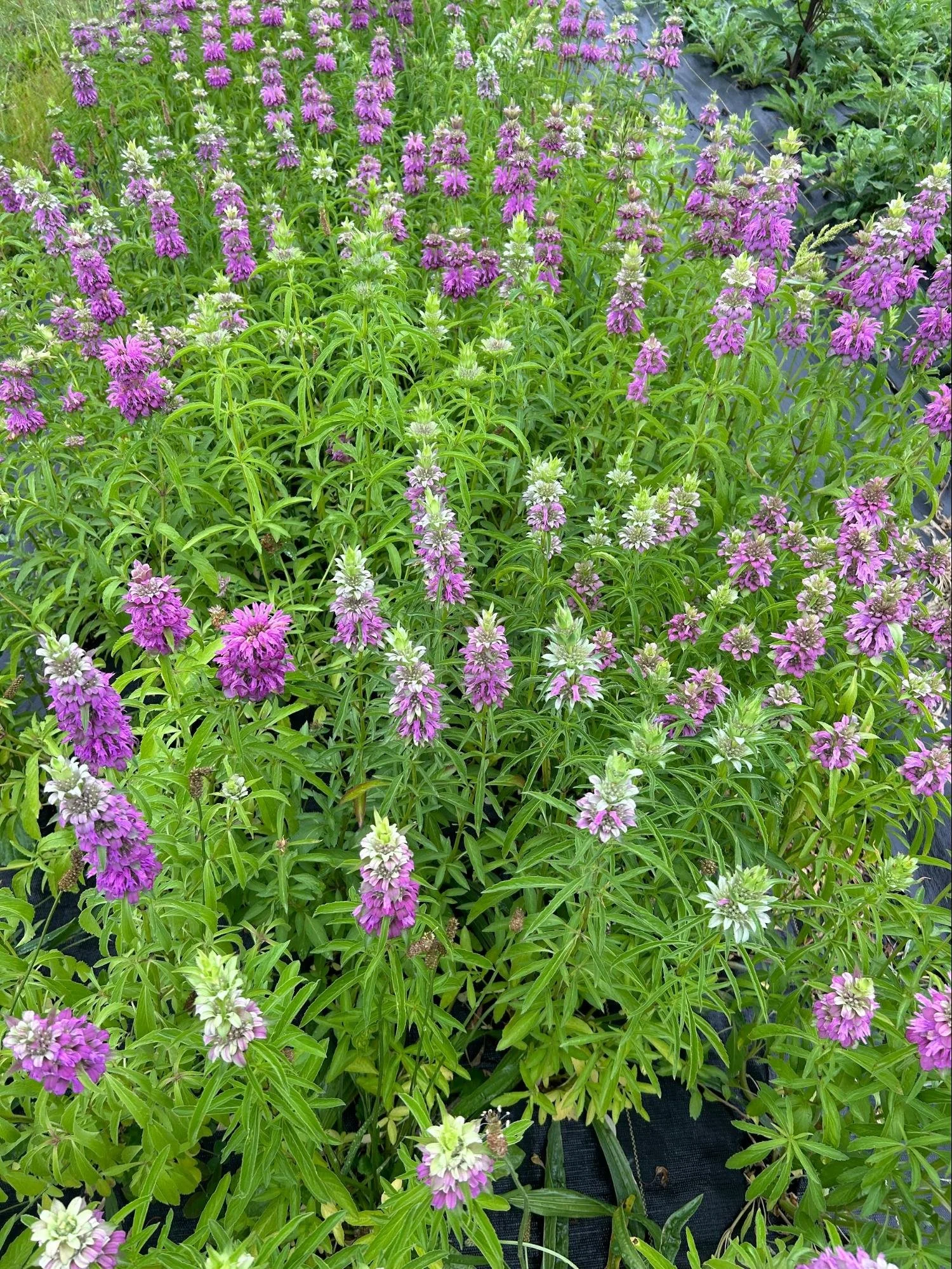
Monarda - I’ve had luck with monarda ‘Lemon Mint.’ I’ve put it in a few beds, even those with poor soil, and it did well! I think a lot of these more wildflower type cut flowers are pretty tough and can handle some poorer soils.
Euphorbia - ‘Snow on the Mountain’ is the only euphorbia I purposefully grow - and it handles the clay just fine! Not surprising since it’s a euphorbia, but certainly still nice.
Dill - It’s been handing the clay fine. I do think production was better in my old fine sandy loam soil, but dill is making it work in the clay.
Orlaya - The best orlaya I’ve grown has been in clay. Compared to my old site (Merrimac fine sandy loam), the orlaya I’ve been growing in my Boxford silt loam are taller and more floriferous. Maybe it likes the extra moisture, or the nutrient availability in clay. IDK but I’m happy with it!
Artiplex - A true champion. Tall, strong, not afraid of the clay.
Larkspur - Fluff up the soil a bit for decent tilth, and throw some seeds down. I think the moisture held by clay helps with germination.
Zinnia - Not a big surprise, but zinnias can grow in clay just fine! I do think they need a bit more babying soil prep wise than some of the other crops I’ve listed.
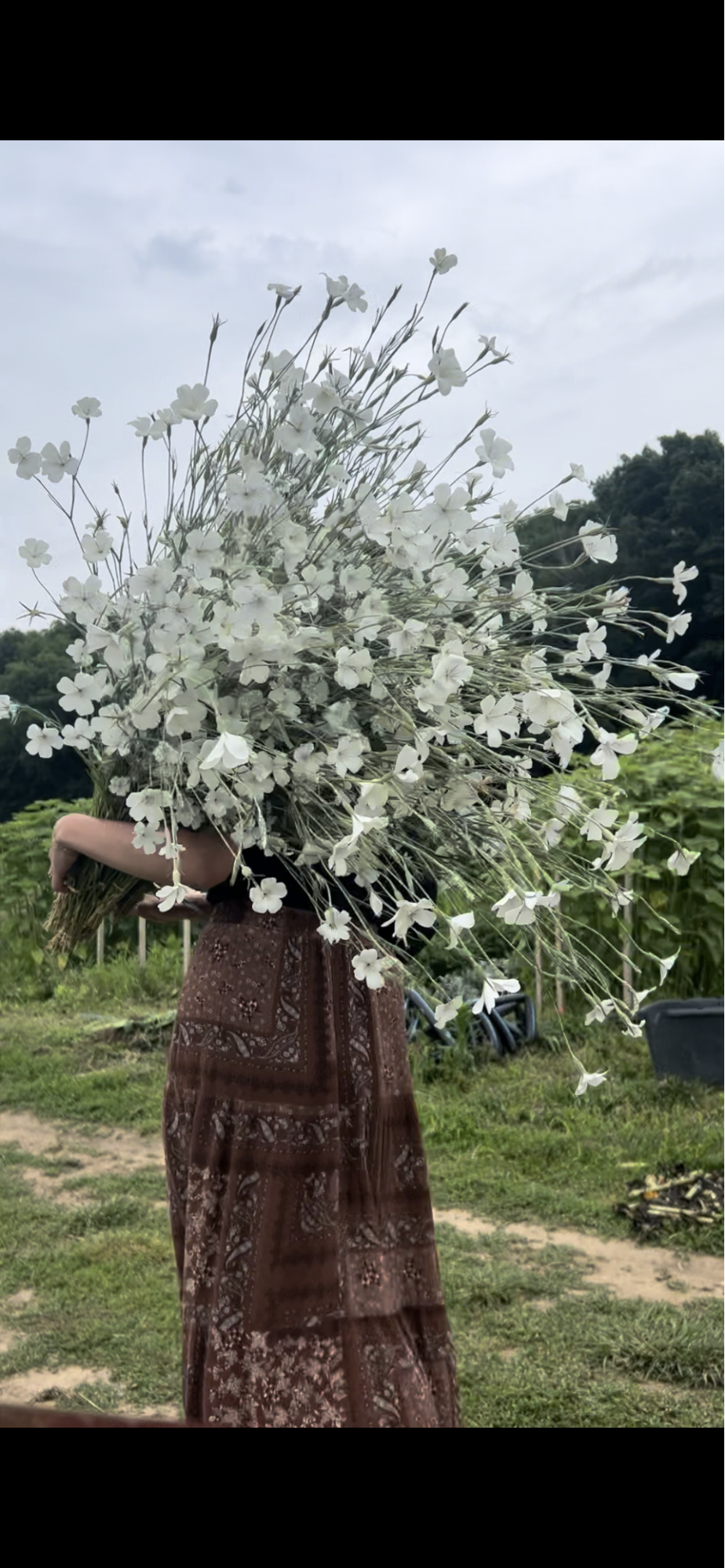
Agrostemma - Just fine in clay
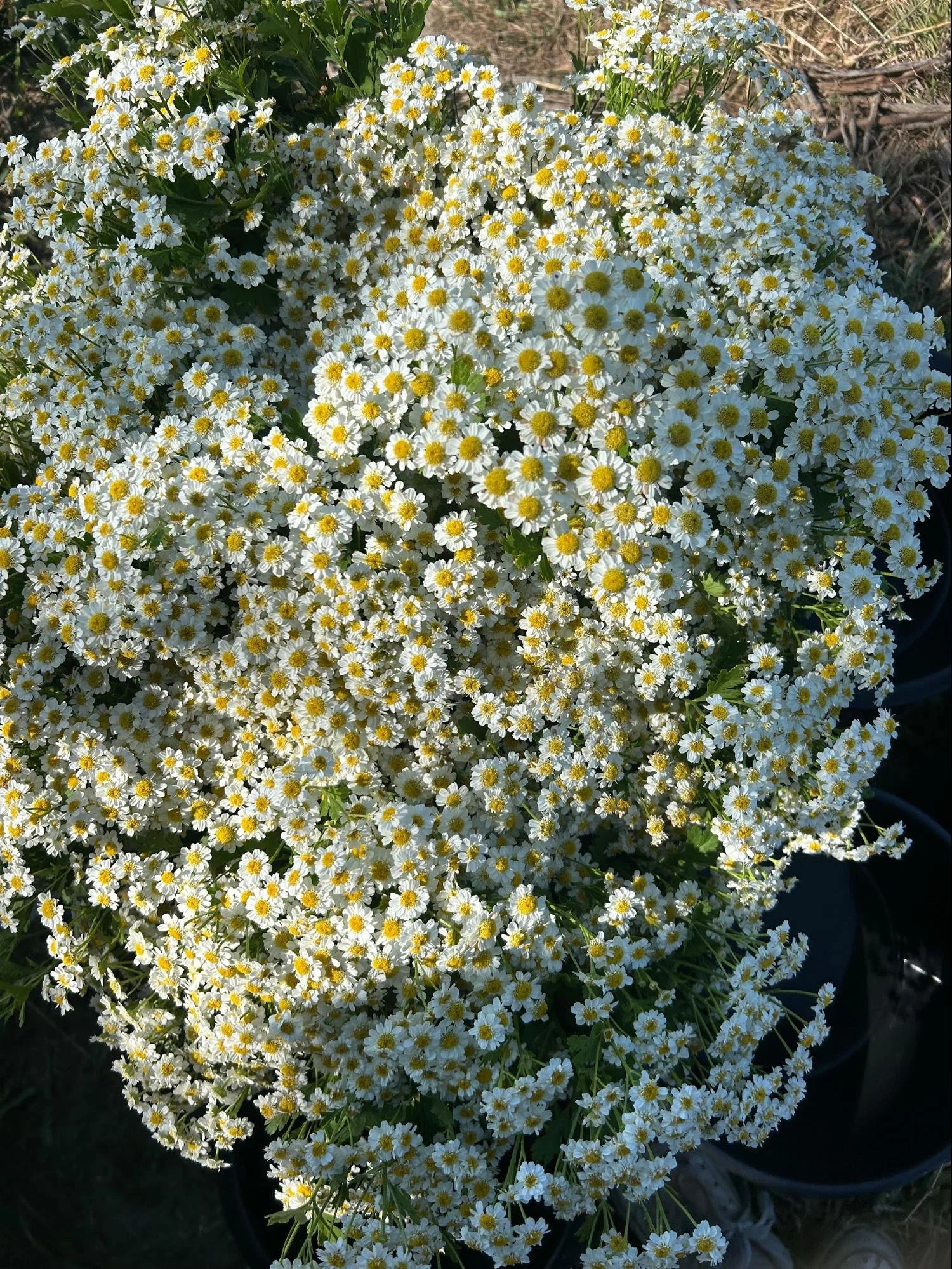
Feverfew - Thrives in my clay soil! Tall, high quality stems
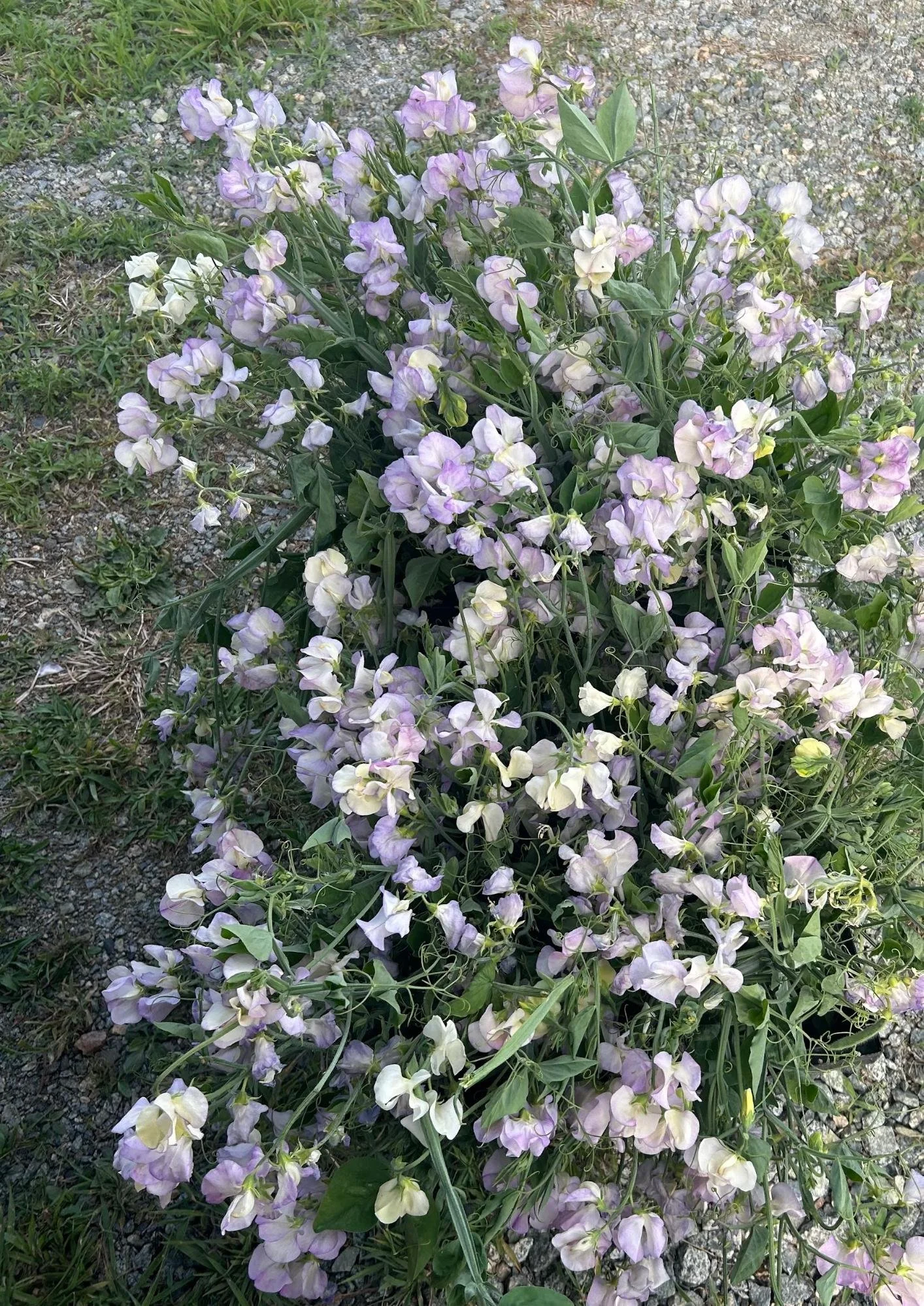
Sweet peas - Just a tiny bit of compost, put some salt marsh hay on top, and they’re so happy. Again- I can be a bit lazy with watering, and I think the sweet peas benefit from the clay retaining moisture for them. And all the nutrients in the clay feed them to get nice and beefy!
ALL OF THESE WERE SUCCESSFULLY GROWN IN CLAY SOIL